

The Role of VAR: How Video Assistant Referees Have Changed the Game
Football is the most important of the unimportant things in the world, said Arrigo Sacchi, but does that still hold true now that Video Assistant Referees (VAR) have become a staple in modern football? Since its introduction, VAR has sparked debates, excitement, and frustration across stadiums and living rooms alike. The technology, designed to review critical moments such as goals, penalties, red cards, and mistaken identity, has reshaped the way matches are officiated. Critics argue it disrupts the flow, while proponents celebrate its ability to prevent costly errors. Understanding how VAR works, its influence on fairness, and the controversies it generates can help fans, players, and coaches grasp why this innovation is one of the most transformative developments in football history.
Correcting Critical Mistakes
One of VAR’s primary purposes is to correct crucial errors that could determine the outcome of a game. Referees are human and can miss offside calls, fouls, or handballs during fast-paced play. VAR provides officials with access to multiple camera angles, allowing them to review incidents in real time or during brief stoppages. This technology has reduced the frequency of unfair decisions that once dominated headlines. Players feel more confident that blatant infractions are less likely to go unnoticed, and coaches can adjust strategies knowing that critical decisions are subject to review. By decreasing the margin of error, VAR has helped football maintain a higher level of integrity.
Increasing Accountability
VAR has heightened accountability across all levels of football. Before its implementation, referees’ decisions were final and often unquestioned, but now their calls are subject to video verification. This transparency has made officials more deliberate in their on-field judgments. Referees are now more cautious about borderline decisions, knowing that a single mistake could be replayed on screens worldwide. As a result, players and coaches have also adjusted behavior, realizing that fouls or offside positions are easier to detect and penalize. The accountability fostered by VAR contributes to a fairer competitive environment and encourages more responsible play throughout matches.
Reducing Controversial Outcomes
Football thrives on passion, but controversial calls have historically sparked conflict between fans, players, and officials. VAR helps mitigate such outcomes by providing clear evidence that supports or overturns decisions. While some critics claim that it slows the pace of the game, the technology significantly reduces disputes over goals, penalties, and red cards. Matches are less likely to end with contentious results purely caused by human error. For example, offside goals that would have changed league standings can now be accurately reviewed, creating a stronger sense of legitimacy for both teams and spectators.
Supporting Referees’ Decisions
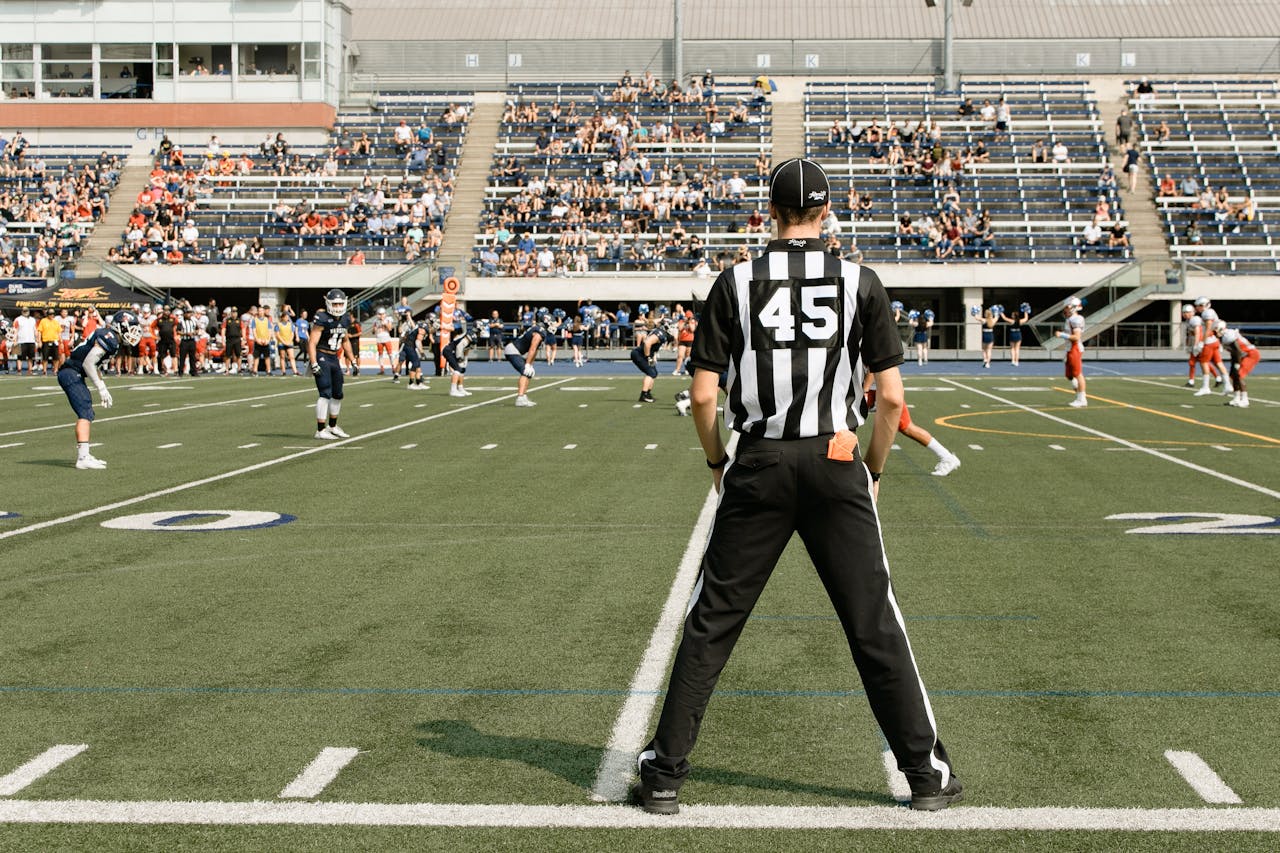
Another key advantage of VAR is that it supports referees rather than replacing them. While there is a perception that technology diminishes the authority of on-field officials, VAR acts as a safety net, confirming correct decisions or signaling necessary adjustments. Referees can consult the video review when uncertain about a play, allowing them to make more confident calls. This reduces pressure during high-stakes matches and minimizes mistakes that could influence tournament outcomes. Over time, this supportive role strengthens trust between referees, players, and fans while maintaining respect for human judgment alongside technological assistance.
Encouraging Fair Play and Strategic Adaptation
Finally, VAR has influenced how players approach the game tactically. Knowing that actions like handballs, fouls, or offside runs are likely to be detected encourages fairer play and discipline on the field. Coaches can also develop strategies that factor in VAR reviews, such as designing set-pieces or pressing plays with an understanding that errors can be corrected. By fostering a higher standard of play and minimizing illegal advantages, VAR contributes to the evolution of football strategy. This technological integration has shifted the balance of skill, discipline, and fairness, ensuring matches are decided more by talent than oversight.
The introduction of VAR has fundamentally transformed modern football. By correcting critical mistakes, increasing accountability, reducing controversies, supporting referees, and encouraging fair play, …
Read More

 One of the most exciting ways to monetize a YouTube channel is through Super Chat and Super Stickers. These features allow viewers to purchase chat messages and stickers during live streams, with creators receiving a portion of the revenue. Super Chat, for instance, allows fans to have their comments highlighted in chat for a set amount of time-based on their chosen payment. The more they pay, the longer their comment will be pinned at the top. This feature not only allows creators to earn money from fans but also creates a sense of community engagement during live streams.
 The first step in finding the right beard style for black men is to determine your face shape. The most common face shapes for black men are oval, round, and square. If you are not sure what your face shape is, there are a few simple tests that you can do to figure it out.
 The final step in finding the right beard style for black men is to check which beard style will work best with your face shape and skin complexion. There are many different types of you can choose from. The most popular for black men are goatees, like what I’ve mentioned earlier. The good news is that there is a beard style for every black man, so there is no need to feel limited.